
Please sit in reporting groups
- Recap: environmental justice module
- Cole and Foster
Module 3: Environmental justice
Three theories of environmental injustice:
- Robert Bullard & Luke Cole and Sheila Foster: environmental racism
- Peter Wenz next time: violations of PCBB (we'll see what this is)
- Kyle Whyte: kinship disruption
They all agree:
- Environmental injustice is a major problem in the world today
- Environmentalists should be fighting against environmental injustice
But each theory looks at a different facet of environmental injustice.
- You could think all three are real...or two...or one...or none
_________________________
Environmental Racism
Starting point: racial disparities
- Bullard, "The Mountains of Houston"
- Dozens of examples in Bullard's SMU slideshow
- Bullard: racial disparities are greater than economic disparities and not entirely explained by economic disparities
- What's the evidence?
- Not much in "Mountains of Houston" article
- Cole and Foster discuss in first four pages
- Here's Appendix A
- Also Bullard's website -- 18 books, hundreds of articles
Next question: should we interpret the disparities as environmental racism?
_________________________
5 minute group meetings --
Unfinished reporting groups--environmental orgs, geoengineering, faking nature, rewilding, recycling
- Finalize assignments, using the reporting doc
- I will touch base with each group
Finished reporting groups--invasive, endangered, population, water
- Browse the evidence about racial disparities
- Discuss: should we grant there are racial disparities that go beyond economic disparities.
_________________________
Cole & Foster: yes, the disparities should be construed as environmental racism
- Luke Cole (environmental activist)
- Sheila Foster (law professor now at Georgetown)
From the Ground Up: Environmental Racism and the Rise of the Environmental Justice Movement (2001)
They focus on Covanta trash incinerator in Chester, Pennsylvania--biggest one in the country--protests continue today -- article
 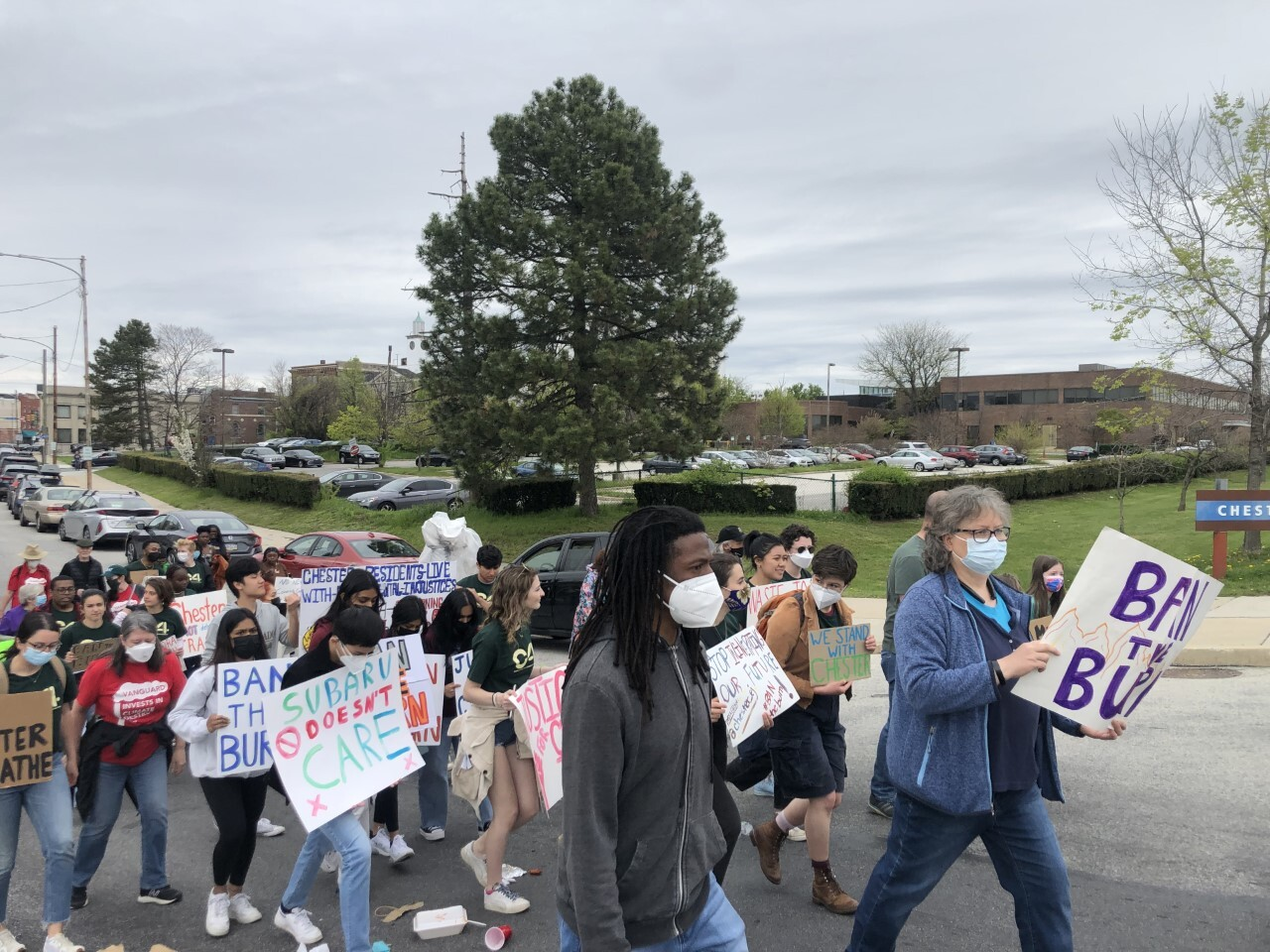 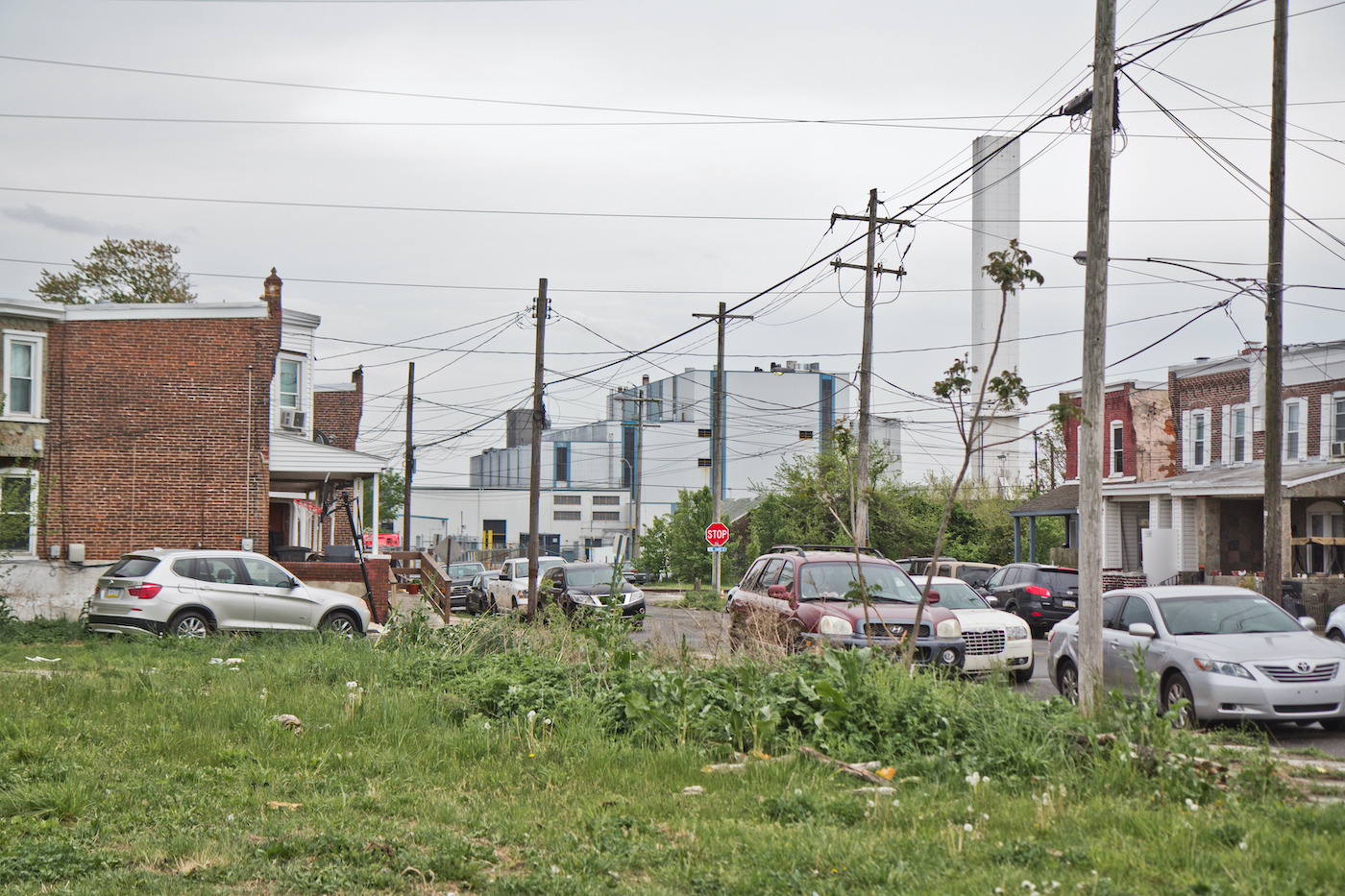 |
Cole and Foster's main claims (article here)
- There are racial disparities in living environments that go beyond income disparities
- Evidence (above)
- Racial disparity beyond income disparity is not enough to prove racism
- Could conceivably be an innocent pattern
- What are some innocent disparities?
- To count as environmental racism, a racial disparity has to be caused by racism
- The classic case of "caused by racism" is when siting decisions are made with racist intentions (Bullard calls this PIBBY--put it in Blacks' back yards).
- But more commonly disparities are caused by a more "subtle and structural" sort of racism (p. 64)
_________________________
Enter: the skeptic Cole and Foster are (implicitly) responding to. The skeptic grees with with 1-4, but not 5.
Skeptical argument #1: lifestyle choices (EPA 1992)
- Racial disparities are mostly caused by lifestyle choices.
- If they're caused by lifestyle choices, they're not caused by racism. THEREFORE
- Environmental disparities are not caused by racism
EPA's examples
- Minorities are disproportionately exposed to hazards because more choose to live in cities
- Latinos are disproportionately exposed to pesticides because more Latinos choose farm labor.
- Asians are disproportionally exposed to contaminated fish because more Asians choose to eat more fish.
C&F REPLY: We have to ask why? See p. 59A
_________________________
Skeptical argument #2: Market forces
- Landfills, petrochemical plants, incinerators, etc., are built, which lowers rents; lower-income people then move in, who are disproportionally non-white.
- Those are "market forces" not racism. THEREFORE,
- Environmental disparities are not caused by racism.
C&F REPLY: What's their reply?
_________________________
Skeptical argument #3: No racist intentions
- To sue for environmental discrimination, you must show that a particular person had racist intentions.
- Explicit racist intentions are uncommon today. THEREFORE,
- Environmental disparities are usually not caused by racism.
C&F REPLY:
- As a legal matter, yes, intentional discrimination must be shown for a successful lawsuit. (see p. 63 A)
- "the nature of racism has become appreciably more subtle and structural" (p. 64)
- Spatial segregation of racial groups is ubiquitous, not innocent, and rooted in racism
Segregation Info
- Segregation of Dallas
- Plumer and Popovicn, "How Decades of Racist Housing Policy Left Neighborhoods Sweltering" (New York Times, Aug. 24, 2020)-
- Richard Rothstein, The Color of Law: A Forgotten History of How Our Government Segregated America


